University of Jendouba Advances Its Sustainability Strategy through SHIFT-MED
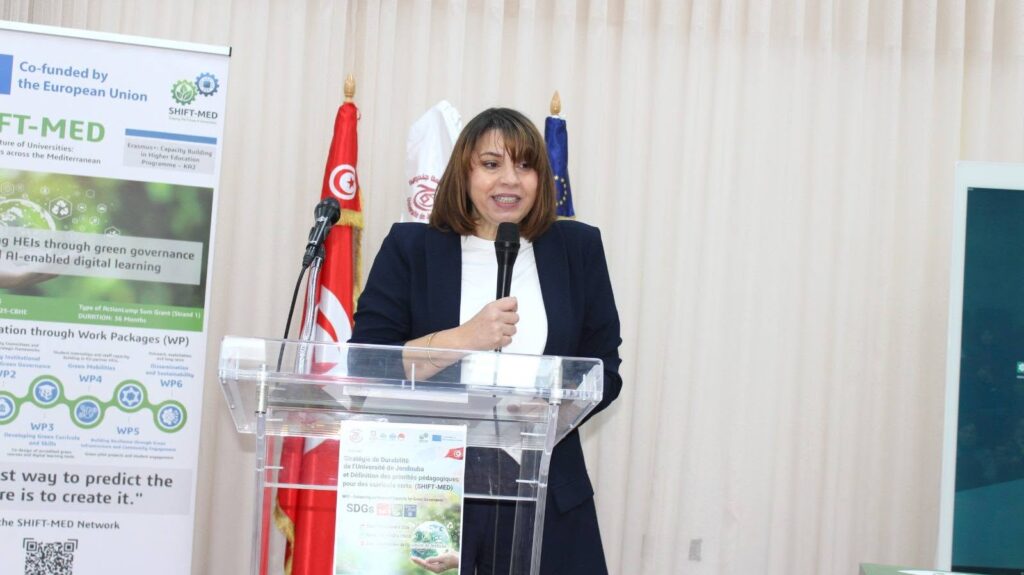
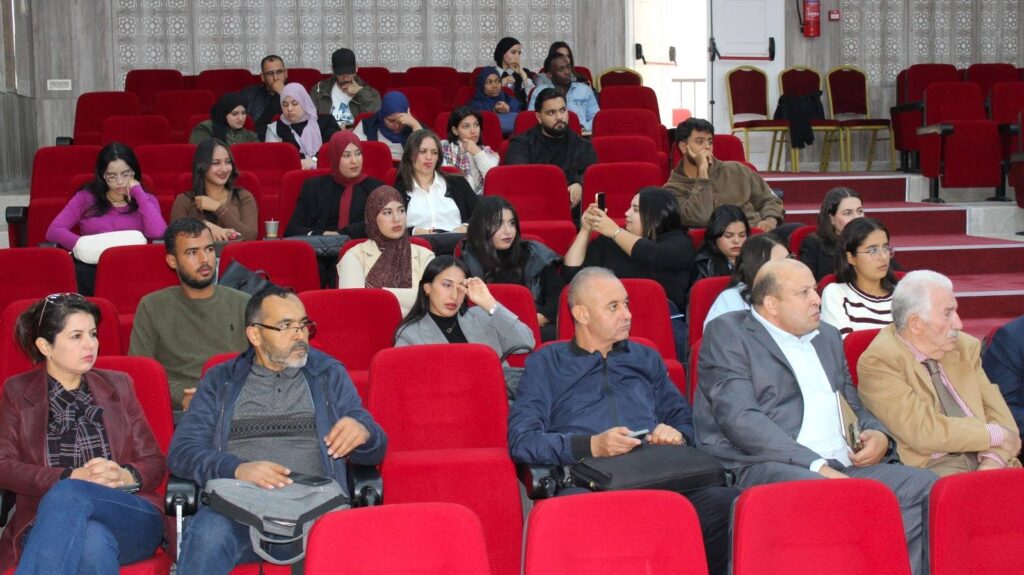
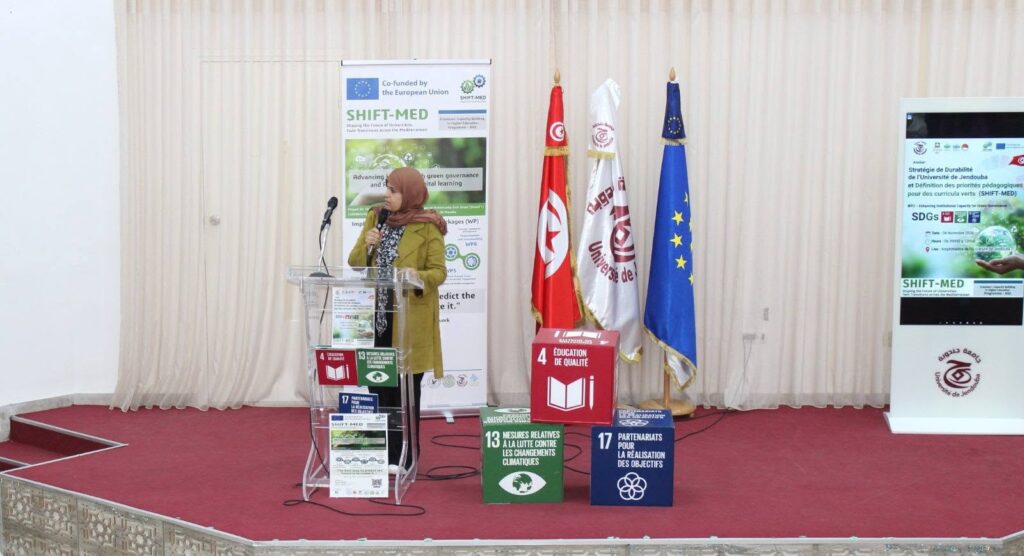
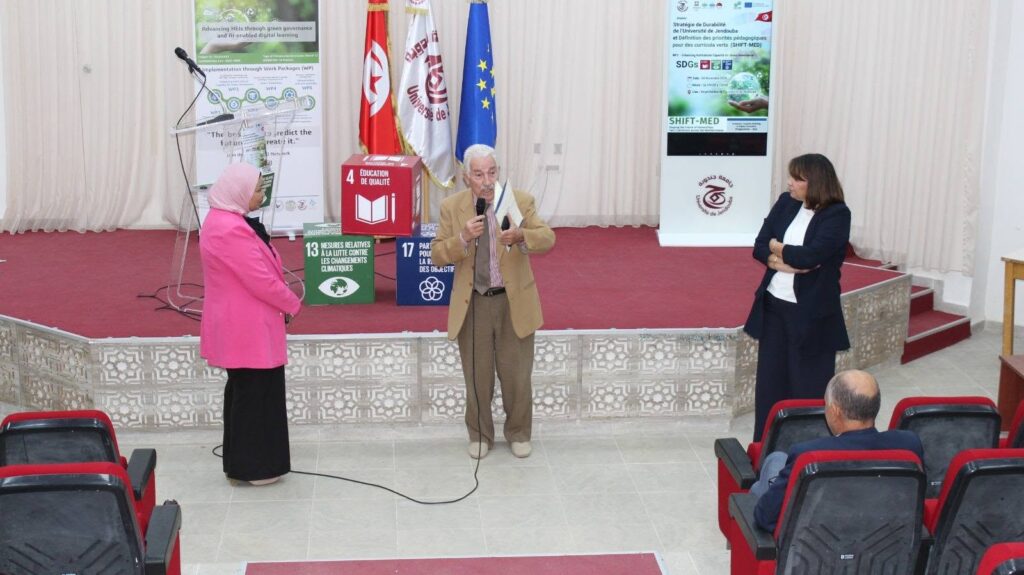
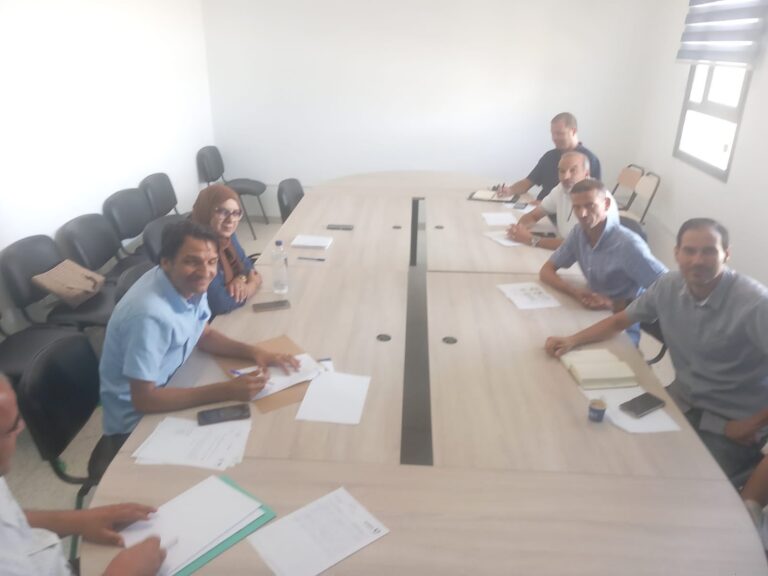
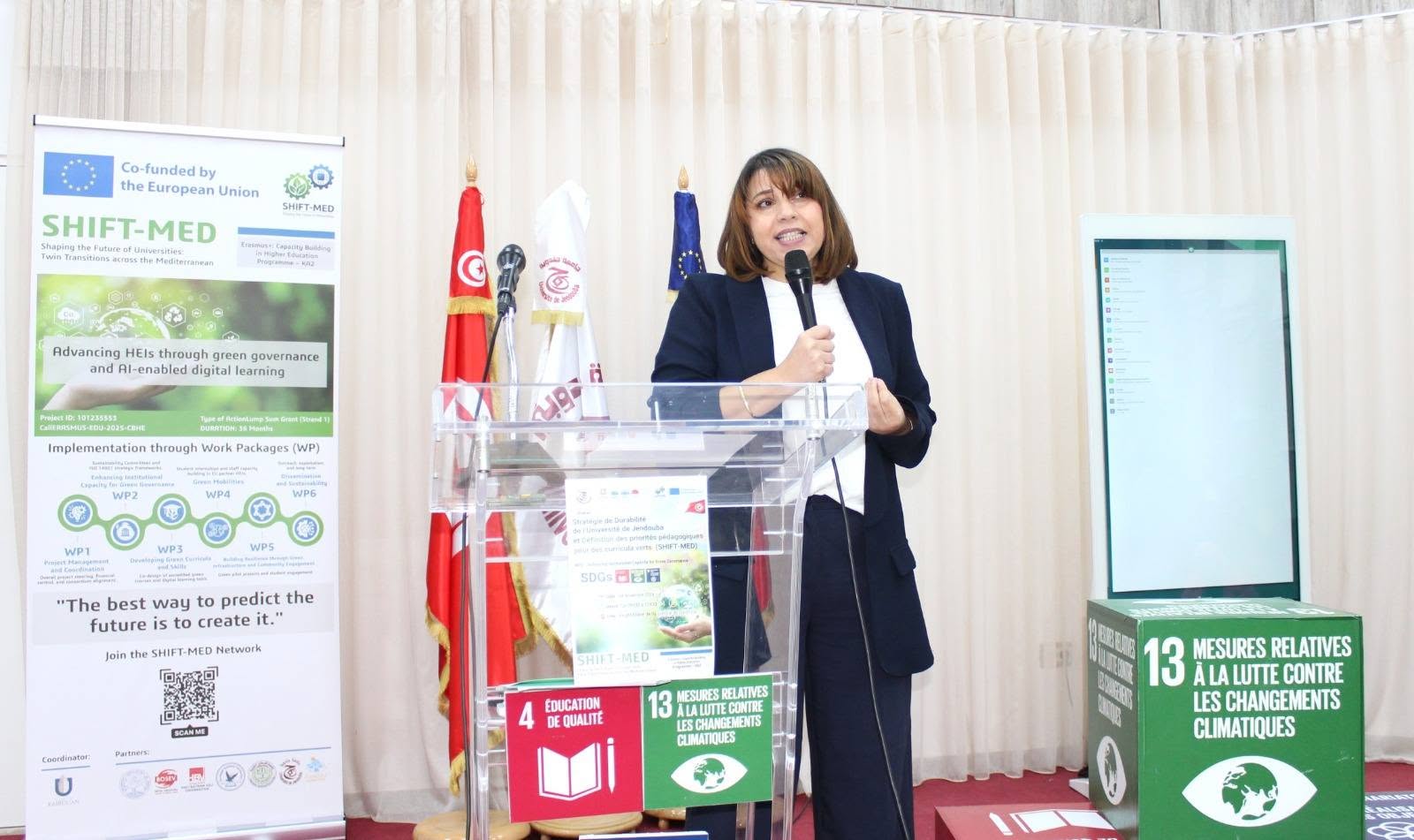
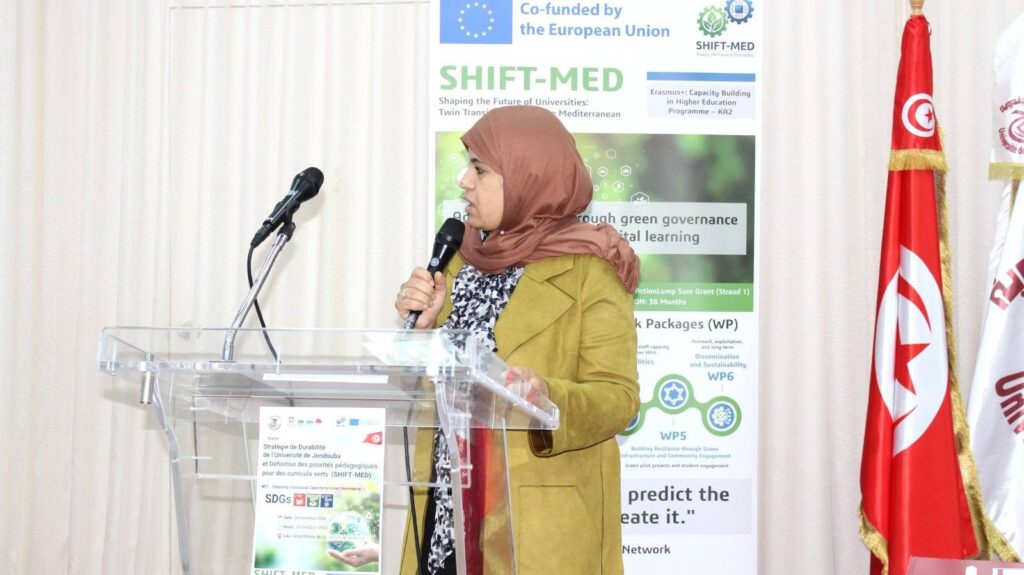
4 November 2026, the University of Jendouba hosted a strategic workshop in Tunisia to advance its institutional sustainability strategy and identify teaching priorities for green curricula. Organised under Work Package 2 of the Erasmus+ SHIFT-MED project, “Enhancing Institutional Capacity for Green Governance,” the workshop connected two areas of university life: how the institution manages its environmental responsibilities and how its programmes prepare students to address sustainability challenges. The workshop focused on developing an integrated approach that brings these priorities into university planning, academic programmes and day-to-day campus practices.
Defining Teaching Priorities for Green Curricula
A central question for the workshop was what students should know and be able to do when they encounter sustainability challenges in their studies, professions and communities. The programme focused on identifying where sustainability principles could be incorporated into existing courses and training programmes, and how they could inform future curriculum design. Linking these priorities to teaching and learning gives academic teams a basis for reviewing course content and considering how students can apply what they learn to environmental issues relevant to their disciplines.
Building on Quality and Environmental Management
The workshop also considered how the university’s existing management systems could support its sustainability strategy. The University of Jendouba’s ISO 9001 certification relates to quality management, while ISO 14001 relates to environmental management. Together, these systems provide a foundation for clarifying responsibilities, setting objectives and reviewing progress. The workshop linked these established processes to the university’s wider sustainability commitments, with the aim of translating institutional goals into practices that can be implemented and monitored across the campus.
Bringing Students, Faculty and Local Partners into the Discussion
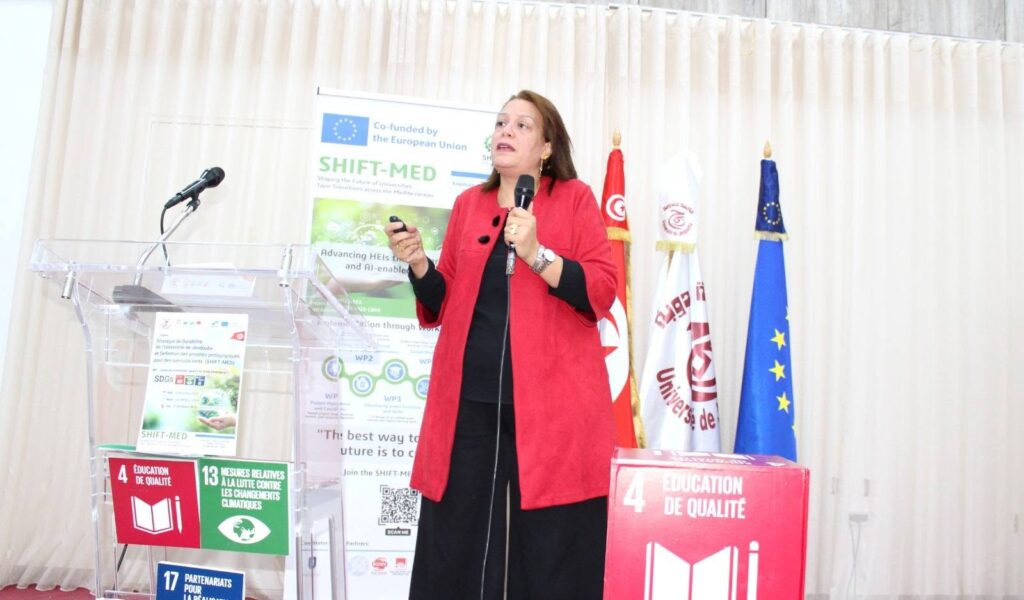
The programme included participatory sessions designed to bring students, faculty members and representatives from the local economic and social community into the planning process. Each group brings a different perspective: students can identify opportunities in everyday campus life, faculty can connect sustainability to course design, and external partners can relate university priorities to needs in the wider community and workplace. The sessions were designed to use these perspectives to develop practical recommendations and identify shared priorities for the university’s next steps.
Connecting Campus Action to the Sustainable Development Goals
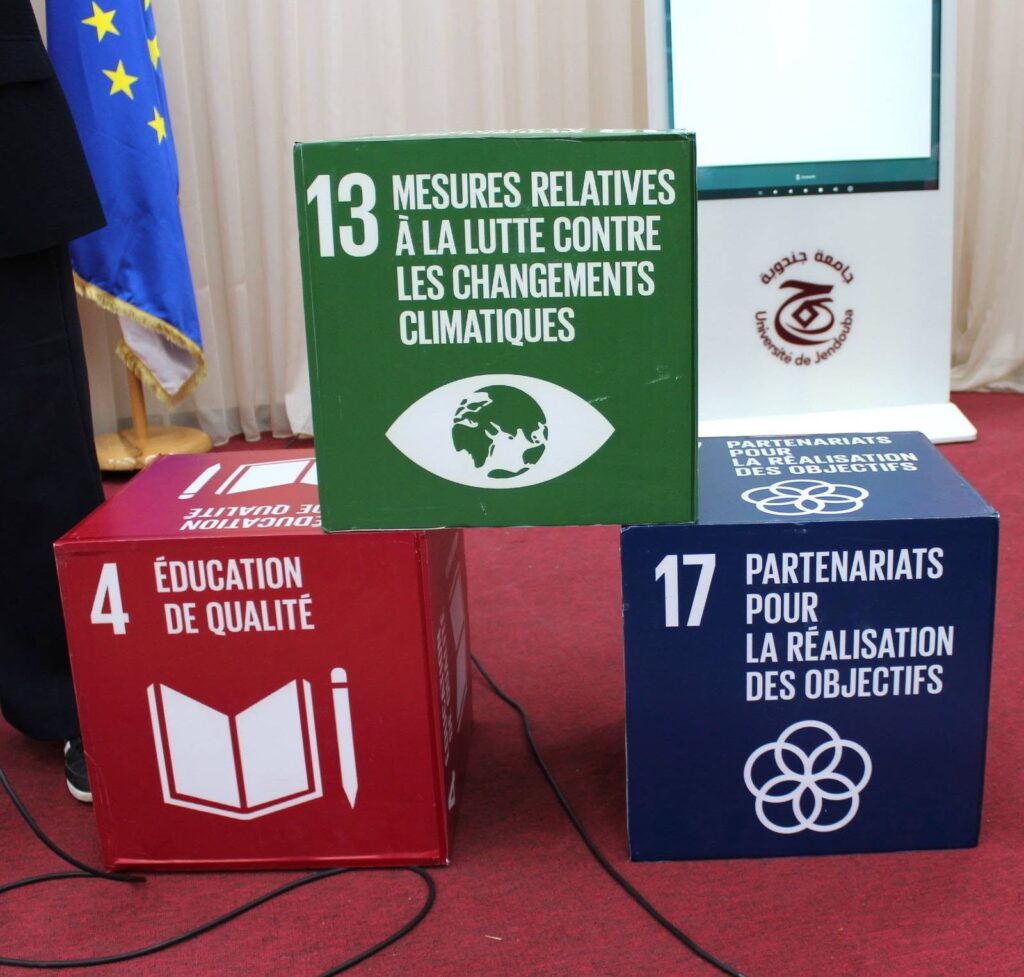
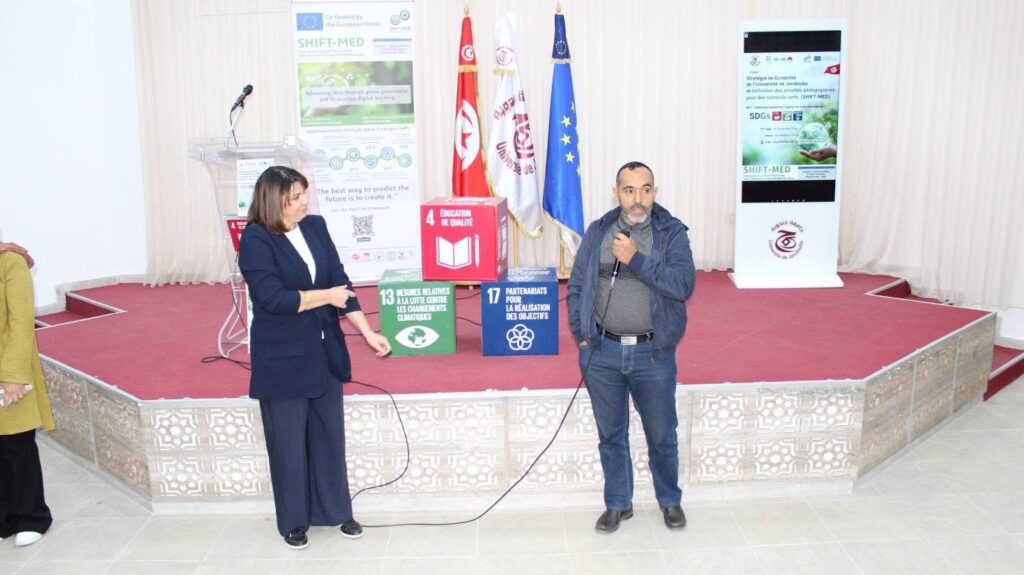
The initiative links the University of Jendouba’s work to three United Nations Sustainable Development Goals. Reviewing how sustainability is taught supports SDG 4, Quality Education. Incorporating responsible environmental practices into campus planning supports SDG 13, Climate Action. Involving students, faculty and external partners in shaping priorities reflects SDG 17, Partnerships for the Goals. Through SHIFT-MED – Shaping the Future of Universities: Twin Transitions across the Mediterranean – the workshop contributes to a wider effort to strengthen green governance in Mediterranean higher education. The project is co-funded by the European Union through Erasmus+.